The Data Informed Opinion GEO/AEO
AI is redefining search. Now, the smartest brands aren't just ranking, they're answering.

I’ll try keep this as short and snappy as possible.
Search is shifting fast. More people are using AI tools like ChatGPT, Perplexity and Google’s AI Overviews to find answers instead of clicking through the ol ten blue links (Google Search).
This isn’t just a small change. Semrush predicts that by 2028 AI-driven search traffic will overtake traditional search. In other words, more users will find what they need through AI-generated answers than through search engine results pages.
For brands, this means SEO is no longer just about ranking. It’s about showing up when AI gives the answer.
What is GEO / AEO
AI Optimisation is how brands make sure they are visible when users search through AI tools, not just Google.
- AEO (Answer Engine Optimisation) is about making sure your content is chosen when search engines give a direct answer.
- GEO (Generative Engine Optimisation) focuses on being cited or mentioned when AI tools like ChatGPT generate an answer by pulling from multiple sources.
- Some call this AIEO to describe the entire AI search landscape.
The goal is not just to rank pages. It’s to make your brand part of the answer. Your share of voice.
Current Trends
The overtake
As mentioned before, Semrush's prediction that AI search will overtake traditional search by 2028 is one of the clearest signs of how search behaviour is changing. This means more users will stop scrolling through results pages and get what they need from AI summaries instead. As this shift happens, the brands that show up in those summaries will capture the best traffic (and highest converting… more on this later).

The Knowledge Base
A research piece by goodie that collected 5.7 million citations between February and June 2025 ranked top 20 most cited domains in AI answers across Gemini, ChatGPT, Claude, and Perplexity.

Right now, the most cited domains in AI tools are Wikipedia, YouTube and Reddit. These platforms dominate because they have structured content, clear information and wide coverage. Recent reports show Reddit citations have dropped, which shows the landscape is moving quickly. No single platform is guaranteed to stay on top. What does this mean? Brands need to think beyond their own websites and make sure they have a presence in multiple trusted sources.
The Google Influence
I’ll keep this one short - Another key insight from Semrush is the 50 percent overlap between AI citations and Google’s Top 10 results. This means if your site ranks in the top 10 for a search term, it has a much better chance of being cited in AI-generated answers. But the other 50 percent comes from different sources. That means smaller or newer brands can still be surfaced if their content is structured and clear. Keep working on traditional SEO. Google is most likely used as a trust factor for information in models. Here’s the article if you want a good read.
The Real Data - My Data
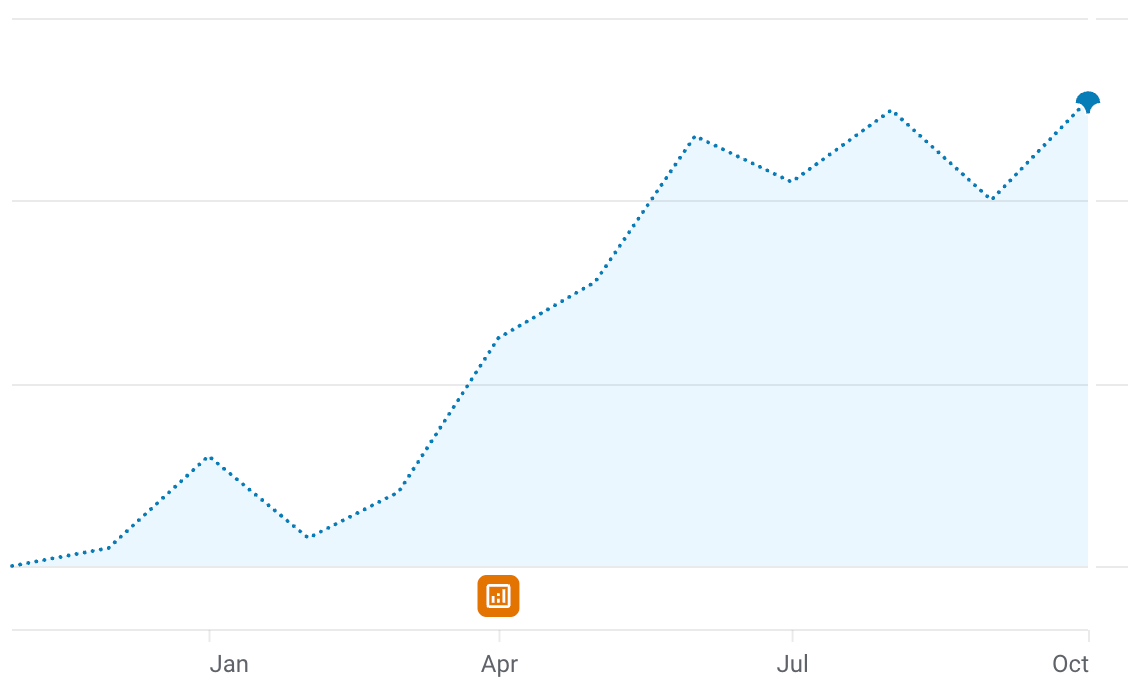
We’re seeing this in our client data as well. AI-driven traffic is exponentially increasing and the conversion rates are higher than traditional search ( in some cases 2x higher). This is because users clicking through from AI answers often come in with stronger intent. They’ve already read a summary and are closer to taking action. It’s early, but this is a clear signal that AI search brings in more qualified traffic. Below are some of our businesses we work with that show clear indication of the AI traffic explosion:


How to Get Seen
This isn’t about reinventing everything. It’s about being strategic with what you already have and building on top of it.
- Structure content for AI
Content that’s easy for AI to read is also easy for people to read. Focus on answering long tail questions directly. Use headings, lists and short paragraphs so AI can identify what each section is about. Adding schema like FAQs or product information can help AI understand the structure of your page better. Think about the clarity of your answers. If an AI tool can easily lift a paragraph to explain something, you’re in a strong position to be cited.
- Build a multi-platform presence
AI doesn’t only read your website. It pulls from trusted platforms like Wikipedia, LinkedIn, YouTube and forums. Choose a few key themes or questions your brand should be known for and make sure they’re represented across multiple sources. If your message appears consistently in several places, your chances of showing up in AI answers increase. This is especially powerful for B2B and ecommerce where reputation and clarity drive trust.
- Strengthen your SEO foundation
A strong technical base is still the backbone of visibility. Make sure your site is fast, easy to crawl, and uses structured data correctly. Use headings, clean architecture and for goodness sake please use structured schema markup. Keep content up to date and relevant. These basics make it easier for AI systems to access, understand and trust your information. They also make it more likely that your content will land in Google’s top 10, which increases your chances of being cited in AI results.
My Final Words
The good news is that this shift doesn’t replace SEO. It builds on it. A strong SEO foundation, clear structure, consistent messaging across trusted platforms and a focus on answering questions will all help your brand show up when AI delivers answers.
This is also a good time to start thinking about how to measure visibility in this new environment. Unlike traditional search, AI-driven visibility isn’t just about rankings. It’s about citations, mentions and how often your content is being surfaced by AI tools… your share of voice.
I’m currently experimenting with ways for businesses to use AI Automation and Scripts to self monitor share of voice… That's a writeup for another day though. We also use custom GA4 reports to track the traffic from AI/LLM platforms. Let me know if you want this.
We’ll check your tracking and tell you what your data can and can’t prove.